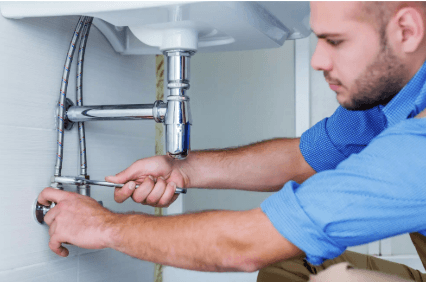
Common plumbing problems range from aging, leaking pipes to water hammer and frequent drain clogs. Diagnosis requires checking for traceable leaks, running toilets, and unusual sounds. Budget-friendly fixes include resealing joints, cleaning aerators, and replacing worn washers, while more complex issues may demand careful float adjustments and routine septic maintenance. Regular inspections and post-fix testing matter to prevent recurring calls. A practical path forward awaits, with each clue guiding the next step toward a lasting solution.
What Are the Most Common Home Plumbing Problems
Common household plumbing issues occur with surprising regularity, and recognizing them early can prevent costly damage. The most frequent problems include old pipes that corrode or leak, water hammer signaling valve issues, and drain clogs disrupting flow. Regular inspection reduces risk, while routine septic maintenance keeps systems balanced. Awareness supports practical maintenance, enabling autonomy and sustainable home ownership without unnecessary dependence.
How to Diagnose Clogs, Leaks, and Running Toilets Yourself
Detecting clogs, leaks, and running toilets starts with systematic observation: note what drains slowly, where water pools, and how often the toilet refills after flushing. Diagnostic methods rely on careful inspection, pressure checks, and trap tests, while home remedies offer initial, noninvasive steps. This approach preserves autonomy, encourages accurate assessment, and guides informed decisions about next-safe actions or professional consultation.
Budget-Friendly Fixes You Can Try Safely at Home
Effective, low-cost fixes empower homeowners to address common plumbing issues without professional help. Budget friendly adjustments include simple sealant reapplication, aerator cleaning, and washer replacement on dripping taps, plus toilet gasket checks and adjustable float settings for efficient flushes. These home safe strategies emphasize careful testing, proper tooling, and documented steps to preserve system integrity and freedom from costly service calls.
When to Call a Pro and What to Expect From a Plumber
When should a homeowner call a professional plumber, and what should be expected from the service visit?
To summarize pros and cons, the decision hinges on complexity, safety, and cost. A pro assesses diagnostics vs. prevention, identifies root causes, and delivers clear expectations for what a plumber provides, including repairs, timelines, warranties, and maintenance guidance.
See also: AI and Cryptocurrency: Emerging Trends
Frequently Asked Questions
How Do I Prevent Pipe Corrosion Over Time?
To prevent corrosion, the expert notes, controlling water temperature effects and maintaining neutral pH minimizes attack on metal surfaces, while regular inspections, corrosion inhibitors, and proper material selection extend pipe longevity and reliability for a freedom-seeking owner.
Can Hard Water Affect Plumbing Efficiency and Lifespan?
Hard water can reduce plumbing efficiency and shorten pipe lifespan, as mineral buildup impedes flow. It also challenges corrosion prevention efforts, necessitating proactive treatment and regular maintenance to sustain performance and extend system longevity, supporting informed, freedom-oriented decisions.
Are DIY Leak Repairs Safe on Gas Lines?
Answering plainly: DIY leak repairs on gas lines are not safe for untrained individuals; professional intervention is required. The juxtaposition of risk and responsibility underscores why DIY leak work on gas lines should be avoided for personal freedom and safety.
What Are Early Signs of Sewer Line Damage?
Early signs of sewer line damage include unpleasant odors, slow drainage, gurgling pipes, and recurring backups. These indicate sewer damage requiring professional assessment, as untreated issues escalate costs and risk. Prompt evaluation supports safe, practical home maintenance decisions.
How Do Insurance Claims Impact Plumbing Emergencies?
Insurance claims impact plumbing emergencies by triggering rapid response requirements, coverage limits, and contractor timelines; prevention methods reduce risk. Pipe corrosion, hard water effects, and sewer line signs inform decisions; DIY leak repairs are discouraged near gas lines safety.
Conclusion
Across common home plumbing issues, proactive inspection and timely fixes save time and money. From drips to slow drains, careful diagnosis, safe at-home remedies, and budget-minded maintenance can avert bigger failures. When problems exceed DIY scope, a licensed pro should be engaged, with clear expectations and post-repair testing. As anachronistic touch, imagine a medieval plumber tallying repairs with a stone abacus while modern tools perform the job—steadfast, precise, and ready for the next flush.